
The Allure of Risk in Casino Gaming
Casino gaming is often characterized by the thrill of taking risks, drawing in millions of players drawn to the possibility of substantial rewards. The psychological appeal of risk-taking in such environments is closely linked to the concepts of excitement and uncertainty, where individuals may experience heightened arousal and engagement. Interestingly, many players are also tempted by the best non gamstop casinos that offer an even greater adrenaline rush due to their unique features. The unpredictability of outcomes can lead to a rush of adrenaline, which many find irresistible, making the experience both exhilarating and addictive.
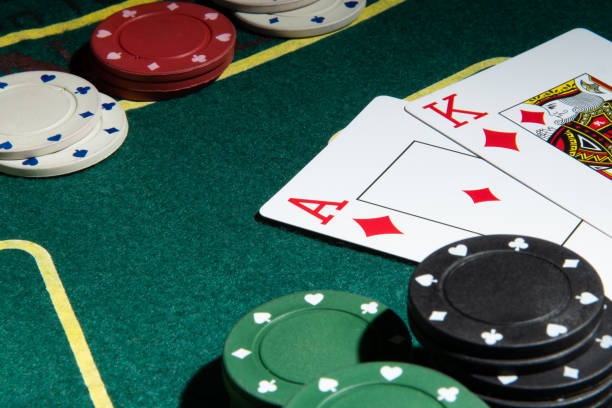
This desire for thrill is often rooted in the human brain’s reward system. When individuals engage in risky behaviors, such as placing a bet, the brain releases dopamine, a neurotransmitter associated with pleasure and satisfaction. As a result, players may chase this feeling, perpetually seeking the next high, thereby increasing their likelihood of engaging in additional risky behaviors within the casino setting.
The Role of Cognitive Biases
Cognitive biases significantly influence decision-making in high-risk environments like casinos. Players often succumb to the “gambler’s fallacy,” wherein they believe that past events influence future outcomes in games of chance, despite each roll of the dice or spin of the wheel being independent. This fallacy can lead to increasingly risky bets, as players seek to recover losses through larger and more aggressive wagers.
Additionally, the “illusion of control” is prevalent among casino-goers, where individuals believe they can influence the outcome of games through skill or strategy. This misplaced confidence can encourage players to engage in further risky behavior, motivating them to continue gambling even when the odds are stacked against them.
The Influence of Social Factors
Social dynamics also play a crucial role in risky behaviors in casino gaming. Group settings, such as playing at a crowded table or attending a gambling event with friends, can amplify the desire to take risks. The social environment can create a sense of camaraderie and competition, often leading individuals to make decisions they might not consider in solitude.
Moreover, peer pressure can significantly impact gambling behaviors. When friends or acquaintances encourage riskier plays, individuals may feel compelled to conform, increasing their level of engagement in precarious betting practices. This social aspect of gambling not only influences decisions but can also create an environment where risky behaviors are normalized and celebrated.
The Impact of Marketing and Environment
The design and marketing strategies used by casinos are tailored to enhance the allure of risk-taking. Bright lights, engaging sounds, and attractive promotions are strategically employed to create an immersive gambling experience that entices players to take greater risks. This sensory stimulation can evoke a sense of urgency, prompting immediate decisions that may not reflect careful consideration.
Additionally, casinos often create environments that minimize the perception of time and risk. By offering complimentary drinks, comfortable seating, and endless entertainment options, players may lose track of their spending and the risks they are taking. This carefully crafted atmosphere can lead to a higher tolerance for risk, as individuals become absorbed in the experience, sometimes at the expense of responsible gaming practices.
Resources for Understanding and Mitigating Risky Behaviors
Understanding the psychology behind risky behaviors in casino gaming is crucial for both players and industry stakeholders. Educational resources and support systems can provide valuable insights into the mental processes that drive gambling behaviors. By recognizing the factors that contribute to risk-taking, players can make more informed and responsible choices while gambling.
Ultimately, promoting awareness about the underlying psychological influences can lead to more responsible gaming practices and encourage individuals to seek help when needed. Resources aimed at educating players about the risks and rewards of gambling can foster a healthier approach to entertainment in casinos, helping to curb the prevalence of risky behaviors.